
• Proposes African safety facility for artisanal miners
The Minister of Solid Minerals Development, Dele Alake, has called for the establishment of a Mine Emergency and Community Recovery Fund to mitigate the human and material losses arising from mine collapses across Africa.
Alake, who is also Chairman of the Africa Minerals Strategy Group (AMSG), made the proposal yesterday in New York, United States, at the third AMSG High-Level Roundtable on Critical Minerals Development, held on the sidelines of the 81st United Nations General Assembly.
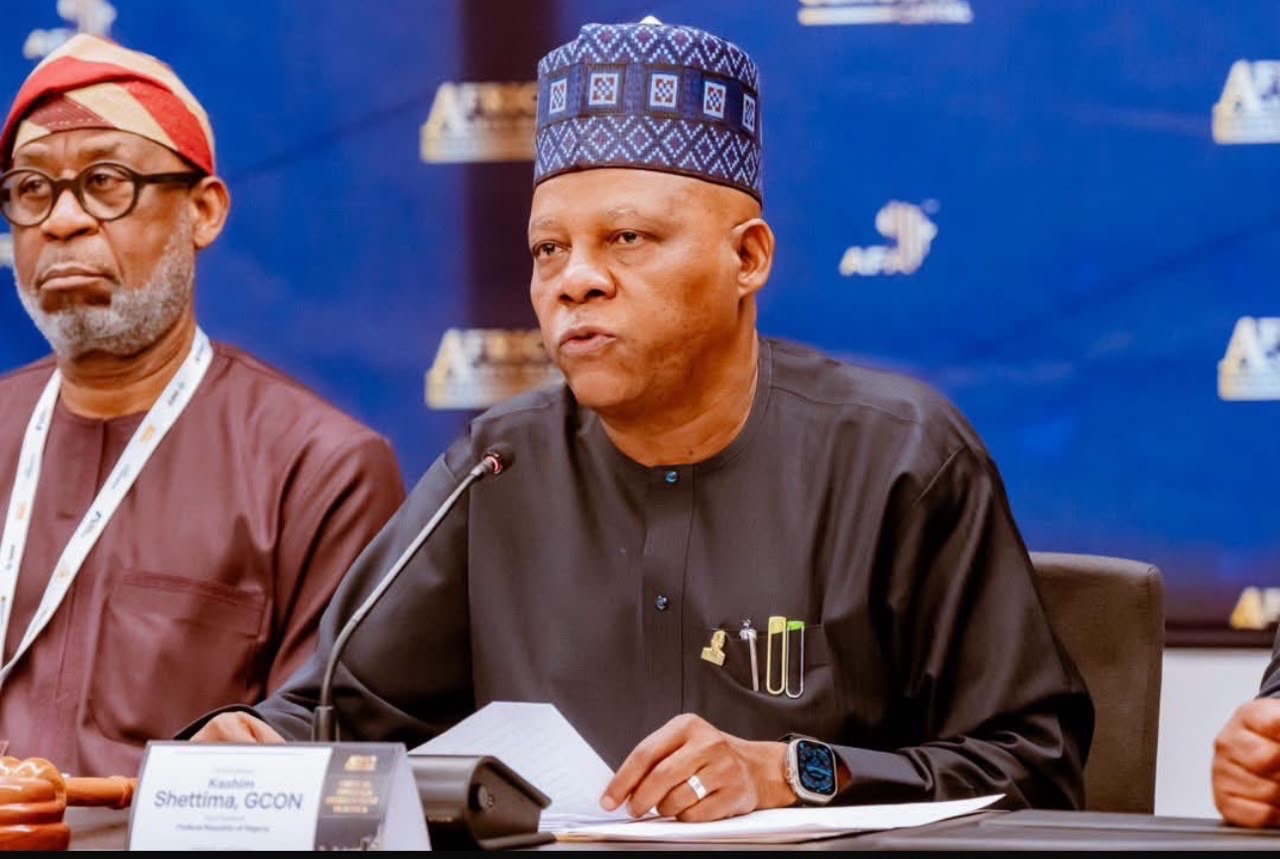
The roundtable, chaired by Vice President Kashim Shettima, was attended by African ministers responsible for mining, as well as representatives of regional agencies, international institutions and the mining industry.
The minister, while lamenting the recurring tragedies associated with mine collapses across the continent, cited major incidents in the Democratic Republic of Congo and the Central African Republic, as well as the recent deaths of suspected illegal miners in detention in Nigeria.
Alake said the scale of the tragedies required African countries to move beyond offering condolences to establishing mechanisms capable of providing emergency response and recovery support to affected families and communities.
“Each time one of these tragedies occurs, I have had the painful responsibility, as the chairman of this Group, of conveying our condolences. But condolences, however sincere, cannot be the limit of continental solidarity,” he said.
The minister added: “Behind every casualty figure is a family that has lost a breadwinner, a child who may no longer return to school, a household pushed deeper into poverty and a community left to cope with a disaster for which it was never equipped.”
Alake also proposed an African safety facility to support the formalisation of artisanal and small-scale mining and promote cooperatives among miners in member countries.
He said governments should formalise artisanal mining rather than criminalise operators, given the sector’s contribution to livelihoods and mineral supply across the continent.
According to him, the continent should be able to mobilise the same resources and expertise being deployed to develop major mineral corridors to improve the safety of artisanal miners.
“If AMSG can mobilise governments, financiers and investors around the billion-dollar mineral corridors, we should also be capable of mobilising expertise and resources to prevent miners from entering unsupported pits without geological guidance, basic safety systems or credible emergency response,” he said.
Alake also signed the Continental Integration and Economic Assurance Declaration (CIEAD), which he said would provide political assurance for the coordination of bilateral and multilateral projects across the continent.
He said the declaration would facilitate predictable regional infrastructure and processing investment, while encouraging African governments to collaborate on continental projects.
Earlier, Shettima urged AMSG to champion African industrial development through cooperation with foreign companies and governments based on shared values and mutual benefits.
The Vice President said no foreign government could protect the interests of African countries better than the countries themselves, stressing that Africa’s mineral resources must be deployed to modernise the continent and improve living conditions.
Also speaking, the Chief Executive Officer of the Africa Finance Corporation, Samaila Zubairu, said African countries could no longer afford to delay industrialisation if the continent must feed, house and clothe its growing population over the next 24 years.
Zubairu called for greater regional cooperation, saying unilateral efforts by individual countries could not address the scale of Africa’s development challenges.
The roundtable featured discussions involving experts from regional agencies, international institutions and captains of the mining industry.